By: Bernardez and Gelarso
Never let silence ends your life.
Sexual harassment is any unwelcome sexual advance or conduct on the job that creates an intimidating, hostile, or offensive working environment. Any conduct of a sexual nature that makes an employee uncomfortable has the potential to be sexual harassment. Sexual harassment is a gender-neutral offense, at least in theory: Men can sexually harass women, and women can sexually harass men. However, statistics show that the overwhelming majority of sexual harassment claims and charges are brought by women claiming that they were sexually harassed by men. In general, sexual harassment is implied to women. But it is not. There are also sexual harassment cases reported between same-sex. In men’s cases, they were tortured of forced to have sex with them. Therefore, sexual assault can happen to anyone
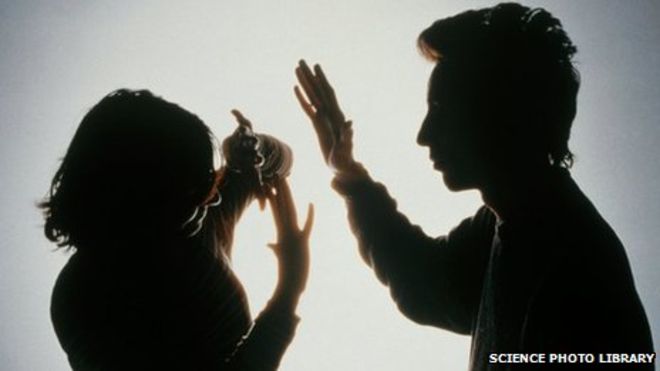
But let us discuss the most victim of these cases, women.
The violence against women has been a serious issue recently. According to United Nations Women, there are approximately 35% of women worldwide that experienced either physical and or sexual intimate partner violence or sexual violence by non-partner (not including sexual harassment) at some point of their lives. However, some national studies show that up to 70% of the women who have experienced physical and or sexual violence from an intimate partner in their lifetime. Similar to data from other regions, in all four countries of a multi-country study from the Middle East and North Africa, men who witnessed their fathers using violence against their mothers, and men who experienced some form of violence at home as children, were significantly more likely to report perpetrating intimate partner violence in their adult relationships. It is estimated that of the 87,000 women who were intentionally killed in 2017 globally, more than half (50,000- 58 per cent) were killed by intimate partners or family members, meaning that 137 women across the world are killed by a member of their own family every day.
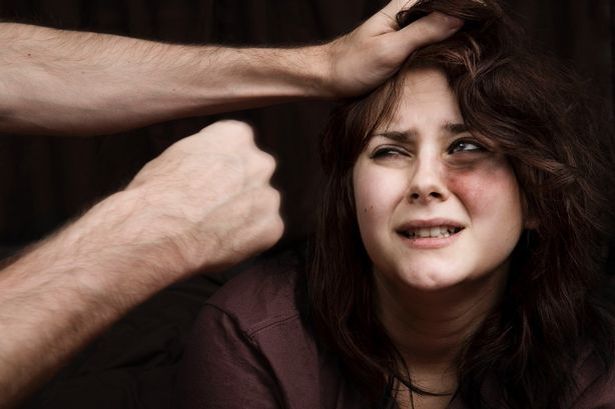
More than a third (30,000) of the women intentionally killed in 2017 were killed by their current or former intimate partner. Adult women account for 51 per cent of all human trafficking victims detected globally. Women and girls together account for 71% with girls representing nearly three out of every four child trafficking victims. Nearly three out of every four trafficked women and girls are trafficked for the purpose of sexual exploitation. Moreover, rape cases has been rapidly increasing according to the recent reports. In relation to the statement, according to Philippine Commission on Women, reported rape cases in the Philippines has ranked third (13.1%) of the total reported Violence Against Women from 1999-2009.
There are laws regarding the violence against women but most of them are not implemented properly. Even though there are laws that exist, the case is still continuously growing. There are more than 100 countries that have laws regarding violence against women, but most of the cases are not justified as there are witness who blames the victim.
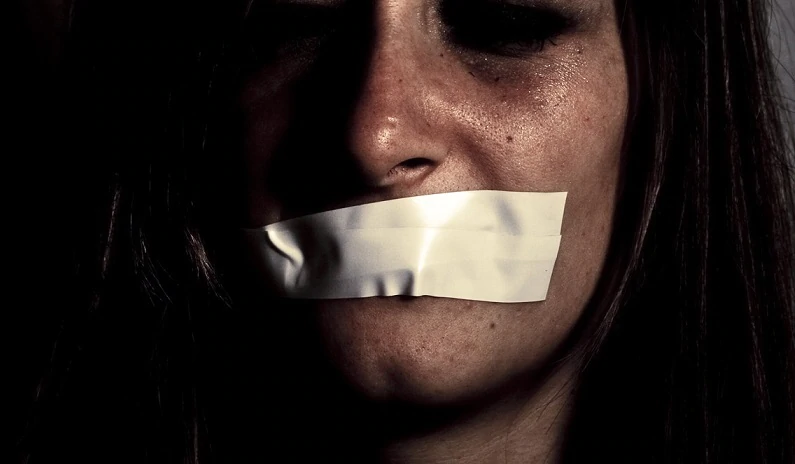
Women who have been abused are afraid to speak up. According to some articles about sexual violence, women who are sexually harassed have higher rates of acquiring HIV, depression and having abortion, which also leads to a higher case of suicide.
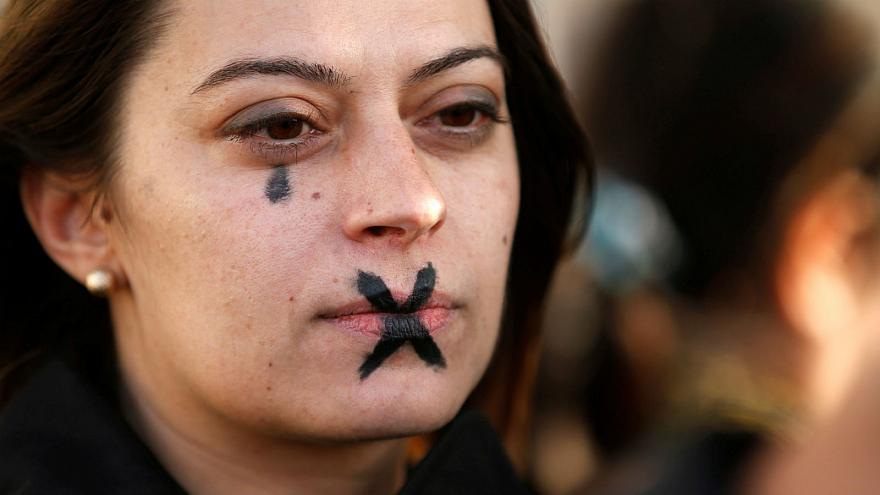
“Case material from 262 women who sought crisis intervention in sexual harassment situations suggests common patterns of harassment behavior and reactions to it. Incidents of sexual harassment typically threaten a woman’s job security and violate her physical privacy. Mental and physical stress symptoms, as well as diminished productivity and self-confidence, are common reactions. Suggestions for appropriate counseling strategies are offered.” Crull, P. (1982), Stress effects of sexual harassment on the job: Implications for counseling. American Journal of Orthopsychiatry, 52(3), 539-544.
Prevention should start early in life, by educating and working with young boys and girls promoting respectful relationships and gender equality. Working with youth is a “best bet” for faster, sustained progress on preventing and eradicating gender-based violence. While public policies and interventions often overlook this stage of life, it is a critical time when values and norms around gender equality are forged. UN Women stated, “Data from female participants of prevention interventions in six low- and middle-income countries in Asia and Africa show that women with disabilities are two to four times more likely to experience partner violence than those without disabilities. Furthermore, the risk of experiencing all forms of partner violence and non-partner sexual violence increases with the severity of impairment.”
Teach yourself to respect women whether they are naked or dressed up properly. Be an example for the next generation.
 L I B E R T É